


Your shopping cart is empty!
Lettuce "Dark Roden"
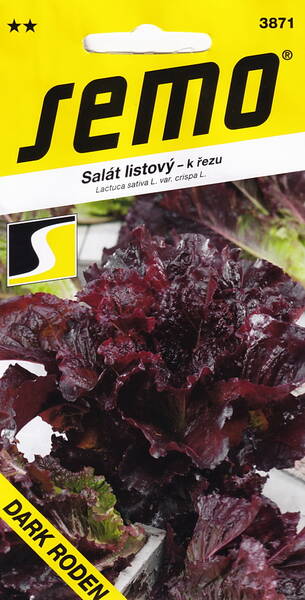
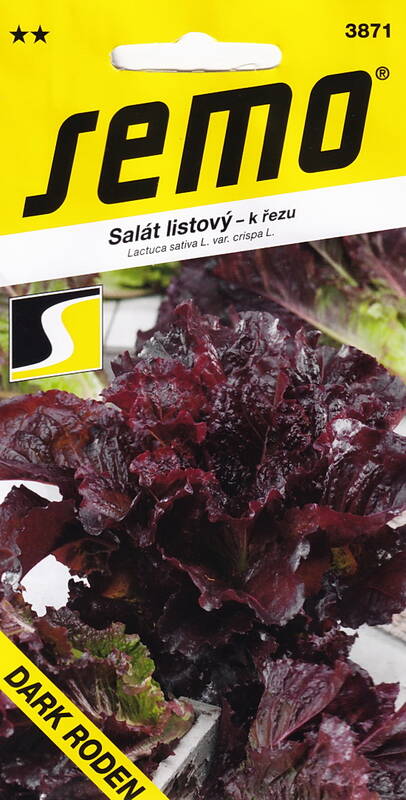
Leaf Lettuce (Curly) "Dark Roden" - Lactuca sativa L. var. crispa.
A mid-early variety ("Lollo" type), which can be sown both in spring and before winter.
This is one of the most popular lettuce varieties, valued by both professional vegetable growers and amateurs.
The average weight of one plant is 350-400 grams. Grown in greenhouses in early spring, and in open ground for summer or autumn harvest.
A mid-early variety ("Lollo" type), which can be sown both in spring and before winter.
This is one of the most popular lettuce varieties, valued by both professional vegetable growers and amateurs.
The average weight of one plant is 350-400 grams. Grown in greenhouses in early spring, and in open ground for summer or autumn harvest.
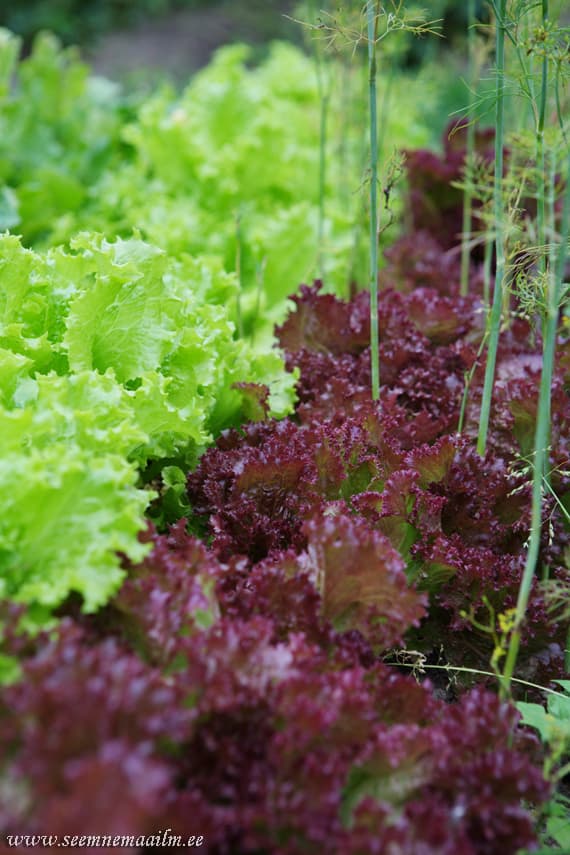
* It is profitable to grow lettuce from early spring to late autumn. It is not affected by diseases that other vegetable crops suffer from.
Lettuce does not harm neighbors growing next to it. Lettuce is a good precursor for almost any vegetable.
The exception is the few representatives of the Asteraceae (Compositae) family.
Any vegetable plant can be planted in the place where it grew; there will be no harm to it. In short, lettuce is indispensable in crop rotation.
It is popular for a reason. The body's resistance to carcinogenic substances is directly related to the regular consumption of lettuce.
Today, every pregnant woman knows that she needs to eat lettuce almost every day for the normal development of the child (of course, one must ensure that the lettuce does not contain an excessive amount of nitrates).
It is extraordinarily useful for humans: it contains carotene, ascorbic and folic acid, B vitamins, and a huge amount of valuable trace elements.
It is prescribed for anemia, as lettuce surpasses almost all other green crops in iron and vitamin content.
In addition, lettuce contains a lot of iodine in compounds that are perfectly absorbed by the human body.
Chlorophyll contained in lettuce is very close in structure to blood hemoglobin; it stimulates the formation of red blood cells and hemoglobin itself.
Lettuce relieves increased nervousness, so characteristic of residents of big cities, helps with insomnia, and relieves us of disturbing dreams.
What is lettuce if not a real miracle vegetable?
Besides, it is simply very tasty. In winter, it is much easier to grow lettuce than many other vegetables.
Leaves suitable for eating grow back just 30-40 days after germination. At the same time, it does not require high temperatures for development.
Lettuce seeds begin to germinate even at +4°C. The optimal temperature for lettuce seed germination and growth is considered to be +14+16°C.
Lettuce can be grown all year round and almost anywhere - in greenhouses, in pots on a windowsill, and, of course, in open ground from mid-April to the end of August.
Why is lettuce so good that it is called the "gardener's favorite"?
It's very simple: lettuce is so unpretentious that it requires practically no care, except for thinning and watering on hot days.
If you grow lettuce from seedlings, you won't even have to thin it out; only watering remains.